Audience engagement begins with giving people a useful reason to respond. Before the event, that might be a lineup preview or a chance to ask a question. During the event, it may be an activity or a clear update. Afterward, it can be an invitation to share feedback or return.
Plan around the questions people actually ask
Review comments, support messages, and feedback from previous events. Turn recurring questions into content: what a ticket includes, how a workshop works, where to park, or how to plan a day at the festival.
Use a short video, photo, or clear explanation when it helps someone picture the experience. Give each post a purpose so your campaign offers more than repeated reminders that tickets are on sale.
Give interested people a manageable next step
Some people are ready to buy immediately. Others may want the schedule, a preview, or updates before deciding. Match the invitation to their level of interest.
A registration contest can introduce an event to new people. An ambassador program can give committed supporters a structured way to participate. PromoTix offers both tools; choose a campaign you can manage and prepare its instructions, rewards, and follow-up before launching it.
Use a communication calendar
Map the announcement, program reveals, ticket deadlines, and arrival information. Assign someone to check every message against the current event details.
Send promotional email through your email marketing provider. Separate those campaigns from essential ticket and access instructions so customers can find what they need. Use any app notifications sparingly and only for information relevant to the people receiving them.
Make participation fit the event
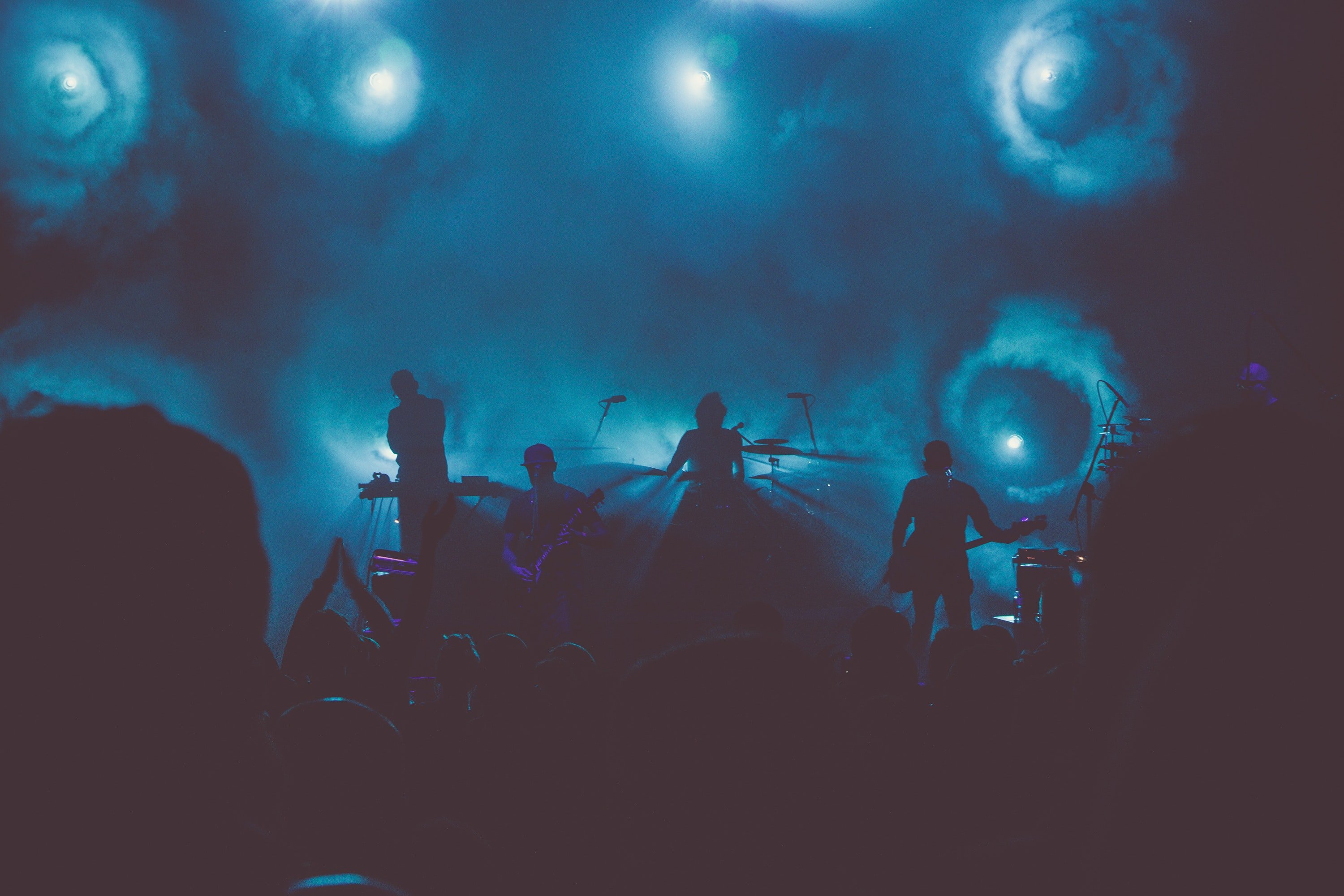
A workshop may benefit from questions and discussion. A concert audience may prefer uninterrupted performances with useful updates between sets. Choose activities that support the experience people came for.
For online events, appoint a moderator if you plan audience questions or chat. Confirm the interaction features in your streaming setup and rehearse who will monitor them. Avoid promising participation that the production team cannot support.
Remove avoidable confusion on site
Clear entry instructions, readable signs, and an accurate schedule help attendees spend more time enjoying the event. Brief staff on changes so people receive consistent answers.
If a session moves or a performance runs late, update the places attendees already use for information. Designate one person to coordinate those changes across channels.
Ask for focused feedback afterward
Send a brief thank-you and ask a few questions you can act on. Find out what guests enjoyed, where they encountered friction, and what they would like to see next time.
Review participation, ticket sales, support questions, and repeat attendance alongside campaign response. Use those findings to choose the next improvement, whether that is a clearer arrival message, a better activity, or a more useful preview.