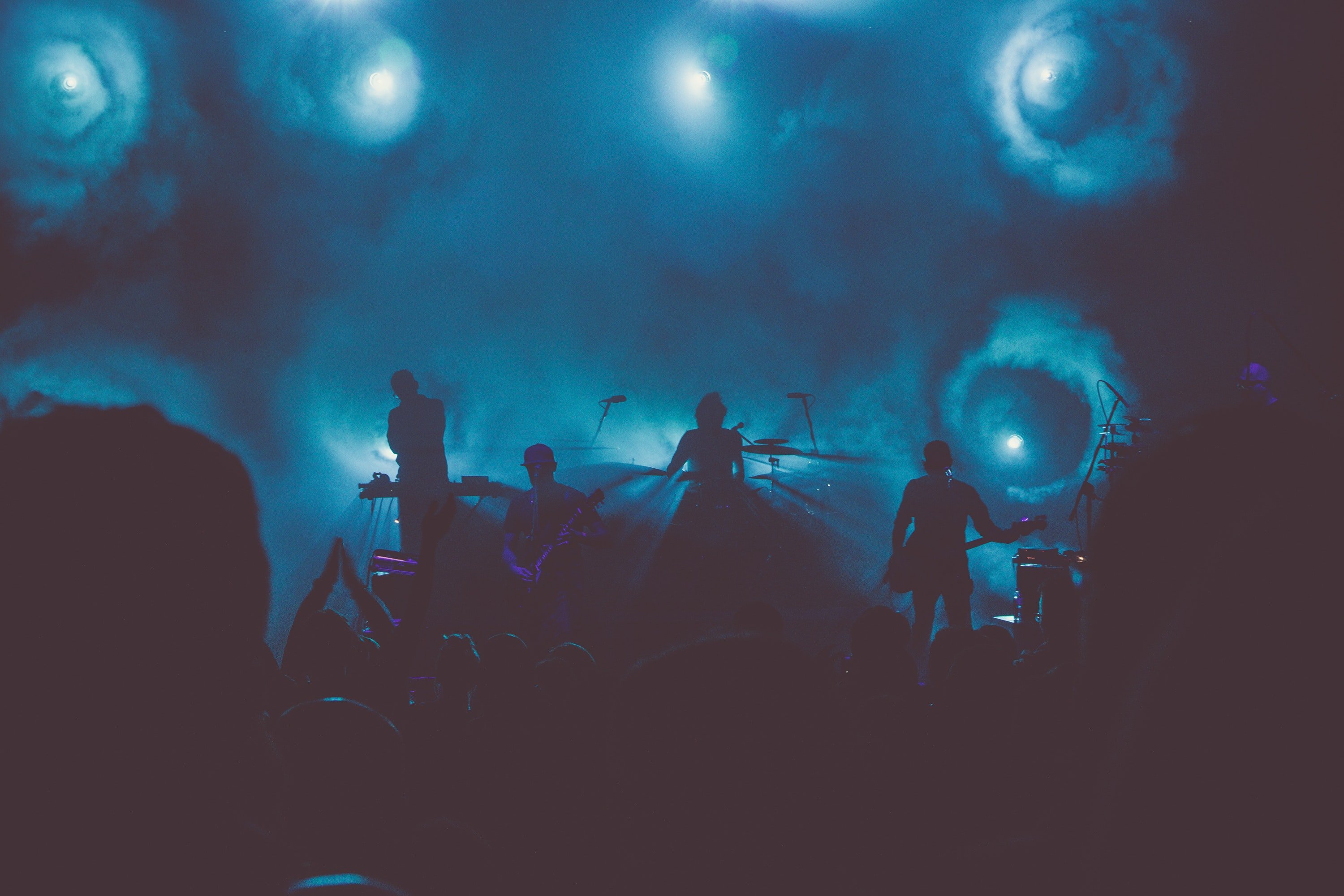
Concert marketing works best when the ticket offer, artist promotion, paid campaigns, and audience communication follow a shared plan. Build that plan before announcing the show so the first interested fans have a clear path to purchase.
A presale gives a defined audience an early opportunity to buy. It can reward returning attendees, introduce a new event, or help you understand demand before a wider launch. Start by deciding which of those jobs it needs to do.
Dynamic ticket pricing means adjusting prices in response to demand or other changing conditions. A team may make those decisions manually, or software may apply rules within a defined range. The approach is different from announcing an early-bird price and a scheduled increase before sales begin.
A buyer has chosen your event and started an order. Now they need a straightforward way to pay and receive their tickets. These nine checks help you spot the details that can interrupt that final step.
A livestream ticket needs a clear promise: what viewers will see, when they can join, and what makes the live experience worth their time. Start with those details before choosing a price or launching a campaign.
A ticket giveaway can bring your event to new people. Turning that attention into ticket sales takes more than an appealing prize: fans need a reason to share, a clear way to buy, and an offer that still works for your budget.
A live stream with plenty of viewers but no revenue plan is not a business asset. It is expensive exposure. Knowing how to monetize live streams means treating your broadcast like an event product: price the access correctly, give people a reason to buy now, and keep control of the attendee relationship after the stream ends.
If you have ever watched a ticketing platform make more money from your event than you do from your marketing, the event marketplace versus white label question stops being theoretical fast. It becomes a margin decision, a branding decision, and, for many organizers, a control decision. The right model affects how you sell, what you pay, who owns the customer relationship, and how easily you can grow from one event to many.
A half-empty room usually does not happen because the event was weak. It happens because the follow-up was weak. People meant to buy later. They forgot. They saw the email too late. They missed the price increase. That is why push notifications for events matter - they reach people fast, on the device they actually check, when timing still affects the sale.
A $30 ticket can become a $39 or $42 checkout total in seconds, especially with ticketing platforms that charge higher fees. That surprise is exactly why attendees ask, why are ticket fees high - and why organizers should be asking an even tougher question: where is that money going, and is the platform earning it?
We help event creators throw successful and profitable events.